📅 365 math genius stories are moving to @ZestGenius — subscribe so you never miss one
▶ Subscribe @ZestGeniusAbout Ole Rømer
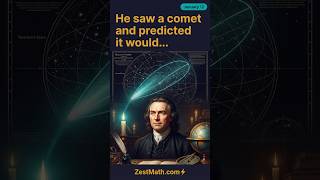
Ole Rømer was a Astronomy & Mathematics mathematician born in 1644. He measured the speed of light in 1676 — using Jupiter's moons as a clock.
First measurement of the speed of light using Jupiter's moons. This breakthrough changed the trajectory of mathematics at a time when the world was during the Scientific Revolution of the 17th and 18th centuries.
The impact is still felt today. Measured c ≈ 220,000 km/s — within 26% of the modern value, using only a telescope.
Astronomy & Mathematics
First measurement of the speed of light using Jupiter's moons
Measured c ≈ 220,000 km/s — within 26% of the modern value, using only a telescope
Born 1644 · 17th–18th Century
Why Ole's Work Still Matters Today
Measured c ≈ 220,000 km/s — within 26% of the modern value, using only a telescope. This is not merely a historical footnote — the ideas pioneered by Ole Rømer are embedded in the fabric of modern technology, science, and everyday life.
The Math Connection — What Students Learn from Ole
Rømer measured light speed by timing eclipses — division of distance by time!
Frequently Asked Questions about Ole Rømer
Who was Ole Rømer?
Ole Rømer was a Astronomy & Mathematics specialist born in 1644. First measurement of the speed of light using Jupiter's moons.
What is Ole Rømer famous for?
He measured the speed of light in 1676 — using Jupiter's moons as a clock
How did Ole Rømer impact modern mathematics?
Measured c ≈ 220,000 km/s — within 26% of the modern value, using only a telescope
What field of mathematics did Ole Rømer work in?
Ole Rømer worked in Astronomy & Mathematics.
Why should students know about Ole Rømer?
Rømer measured light speed by timing eclipses — division of distance by time!
When was Ole Rømer born?
Ole Rømer was born in 1644, during the Scientific Revolution of the 17th and 18th centuries.
More Astronomy & Mathematics Mathematicians
More Math Genius Videos
ZestMath covers one mathematician for every day of the year — here are more stories.
 Michael Faraday Mathematical Physics
  Sophie Germain Number Theory & Physics
 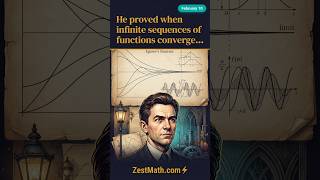 Charles Sanders Peirce Logic & Mathematics
 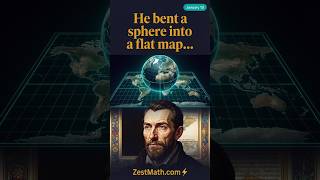 Gerardus Mercator Mathematical Cartography
  Dana Scott Mathematical Logic
  Margaret Hamilton Software Mathematics
  Joseph Needham History of Mathematics
  Augustin Fresnel Mathematical Physics
 Keep Exploring Mathematics
Master every math word problem with the complete signal words reference — 10 printable pages covering every operation.